METALS & MATERIALS
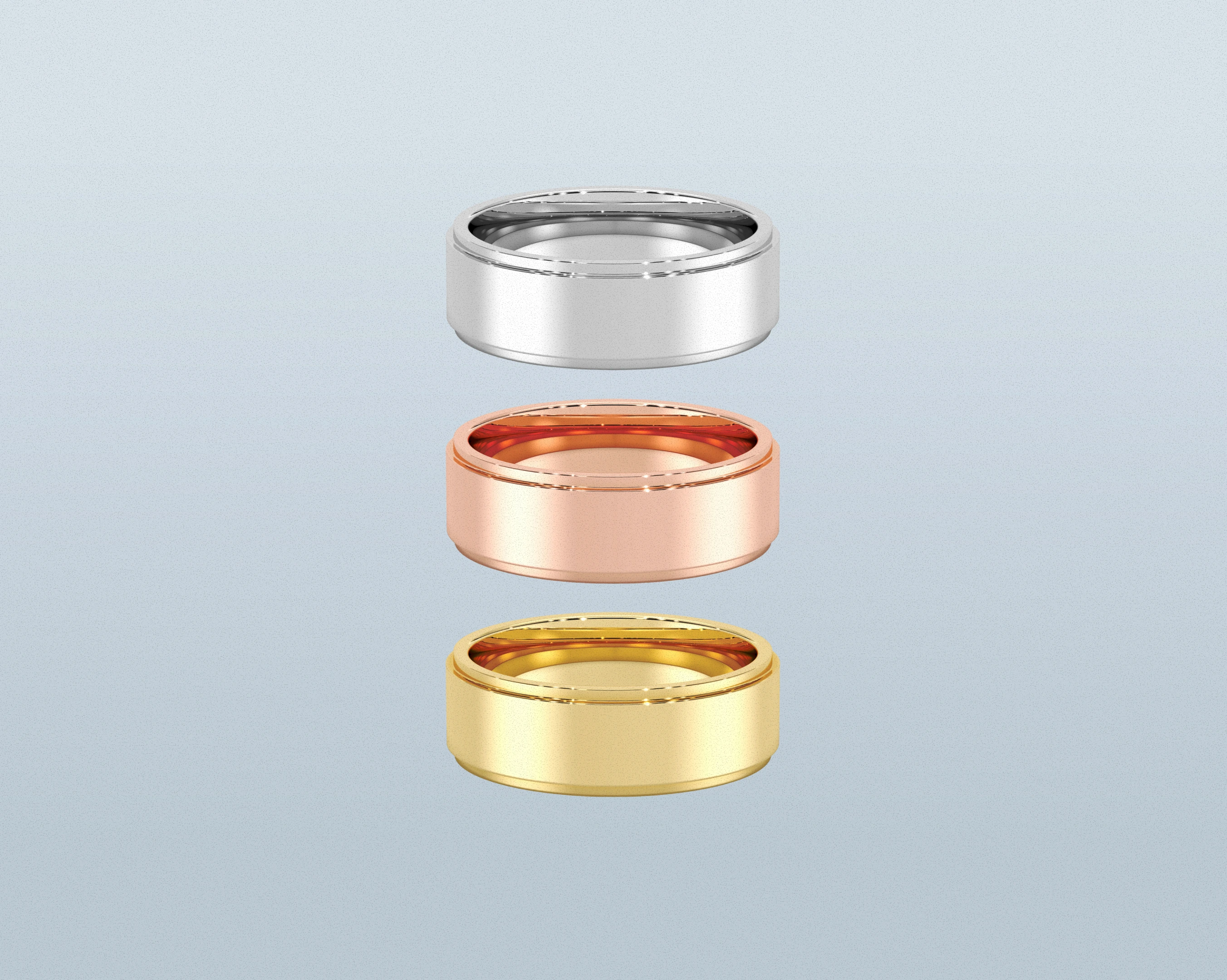
Compare platinum and 18K yellow, rose, and white gold by color, composition, weight, care, and wear to choose the right fine jewelry metal.
Understanding Fine Jewelry Metals
The metal in a ring or piece of jewelry influences far more than color. It shapes weight, feel, surface character, maintenance, setting options, and the way a diamond or gemstone is presented. Choosing between platinum and 18K gold is therefore both an aesthetic and practical decision.
Most fine jewelry metals are alloys, meaning a precious metal is combined with carefully selected additional metals. Pure gold is naturally soft for many everyday jewelry applications, so alloying helps create the strength, color, and working properties required for a lasting design. Platinum jewelry is also made to a stated fineness and may contain a small proportion of other metals.
Metal name alone does not describe every detail. Exact alloy recipes, finishes, plating, band width, and construction can change how two pieces in the same broad metal category wear over time. Product specifications and hallmarks provide the most reliable information about an individual piece.
Material selection is one part of a larger design process. Learn how metal, setting, proportion, and precision come together in Craftsmanship & Innovation.
Platinum
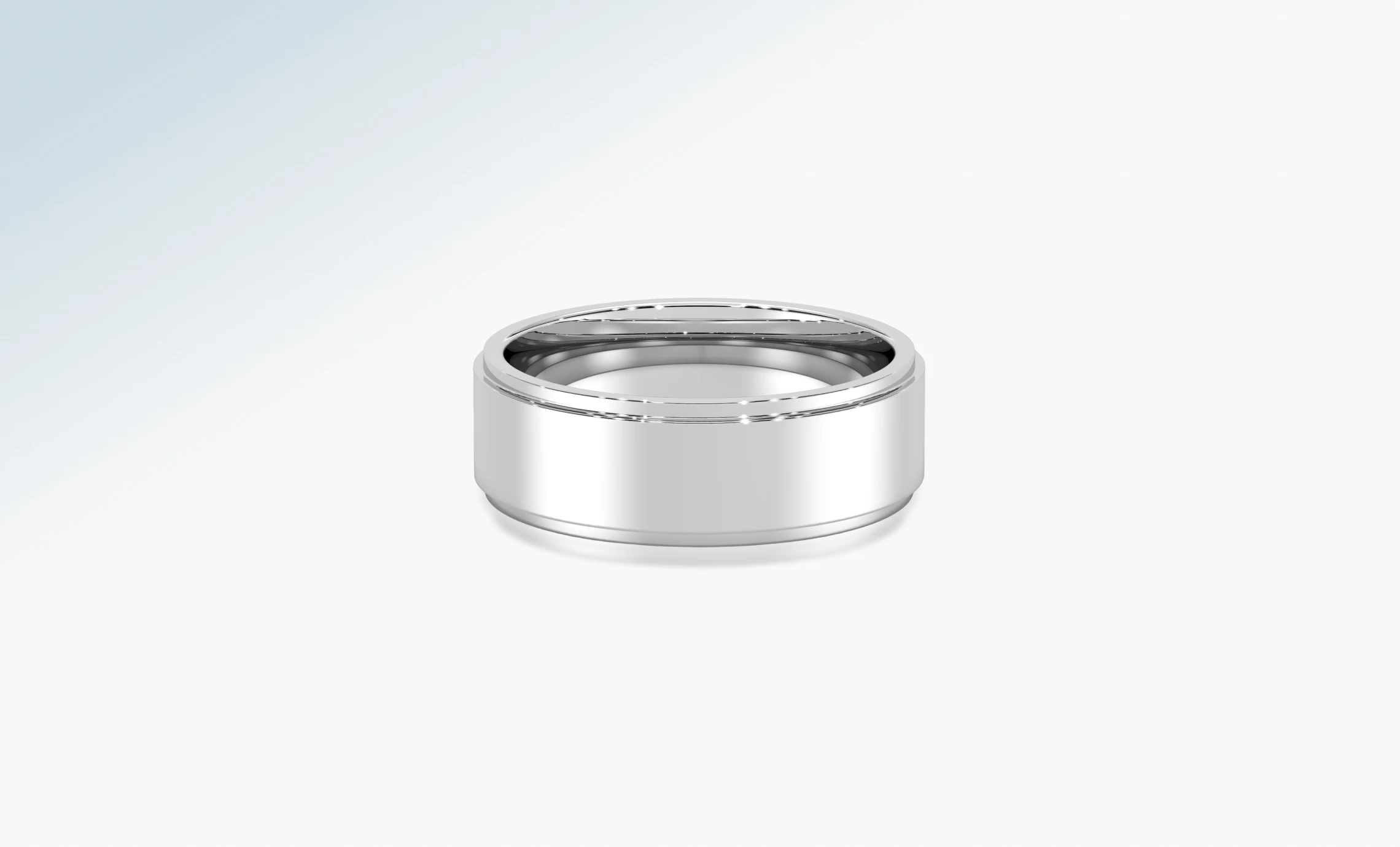
Platinum is naturally white, dense, and valued for its substantial feel. Unlike white gold that may rely on a bright surface plating, platinum does not need rhodium plating to preserve its underlying white color. Its cool tone pairs naturally with colorless diamonds and creates a quiet, contemporary appearance.
The fineness mark identifies the proportion of platinum in the alloy. For example, a Pt950 hallmark indicates 950 parts platinum per thousand, or 95 percent platinum. Fineness and the companion alloy should always be confirmed from the specifications of the exact piece rather than assumed from appearance.
Platinum is durable, but it is not scratch-proof. Regular wear gradually creates fine surface marks that can develop into a soft patina. Some people value this muted character, while others prefer to have the original polish professionally restored. Neither finish changes the metal into a different material.
Because platinum is denser than gold, two otherwise similar rings can differ noticeably in weight. That density, together with material quantity and manufacturing requirements, can also influence price. Platinum is not automatically the correct choice for every design, but it suits someone who wants a naturally white metal with a reassuring sense of weight.
18K Yellow Gold
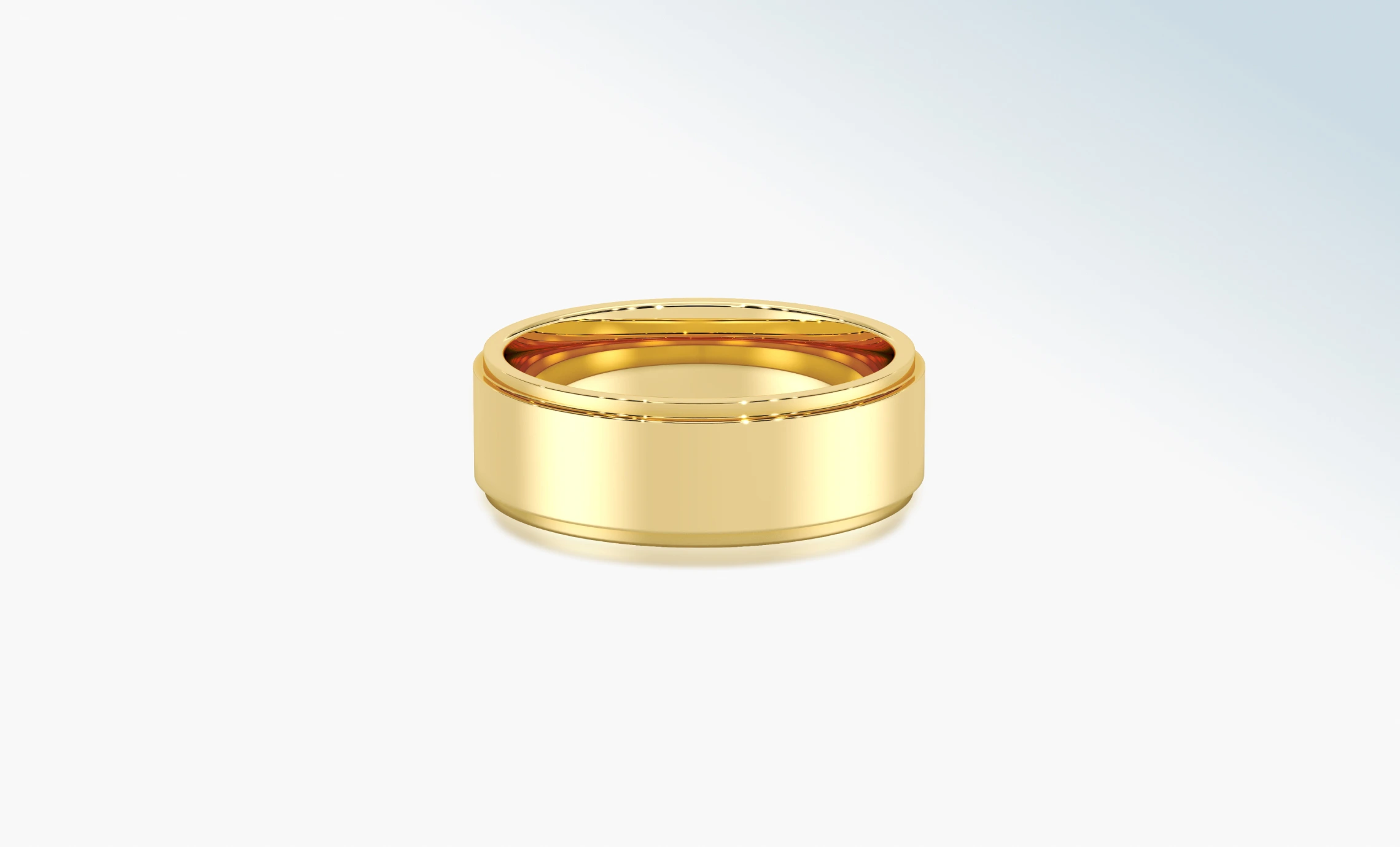
18K yellow gold contains 75 percent pure gold and 25 percent alloying metals. It is commonly marked 750, referring to 750 parts gold per thousand. The remaining alloy is selected to support color, strength, and workability, and its exact composition can vary by manufacturer.
Yellow gold offers the closest visual connection to gold in its naturally warm state. Its rich tone complements both classic and modern forms, creates gentle contrast around white diamonds, and can harmonize beautifully with diamonds or gemstones that carry warmer nuances.
The color belongs to the alloy itself, so yellow gold does not require rhodium plating to remain yellow. Its polished surface will still collect fine marks through normal wear, particularly on rings and bracelets. Professional refinishing can restore brightness, although unnecessary frequent polishing should be avoided because it removes a very small amount of material.
Yellow gold is versatile across engagement rings, wedding bands, and everyday jewelry. When combining several pieces, compare their karat, tone, width, and finish in person. Different 18K alloys can have subtly different shades even when each is correctly described as yellow gold.
18K Rose Gold
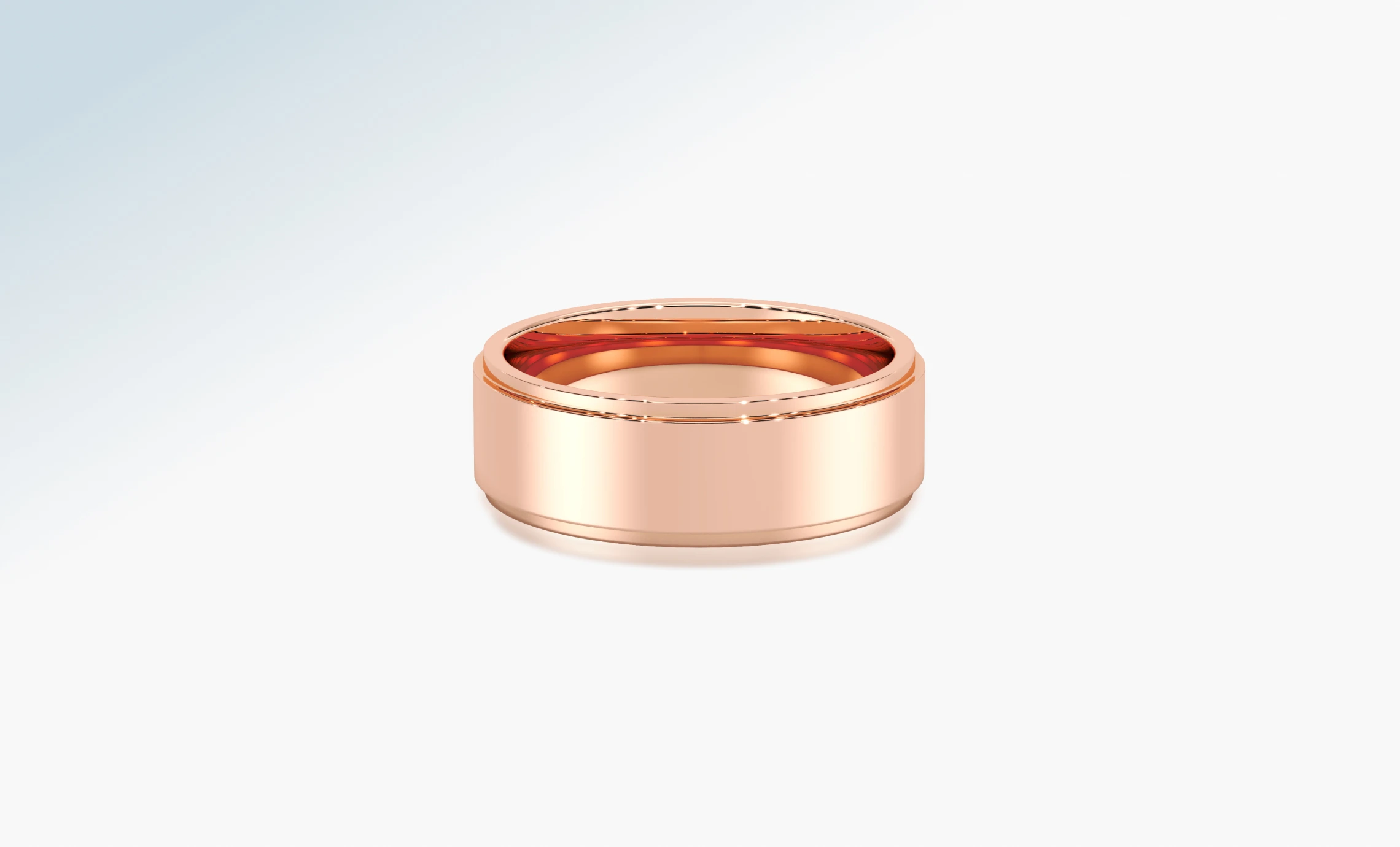
18K rose gold also contains 75 percent pure gold. Its pink tone comes primarily from copper in the remaining alloy, often balanced with other metals to achieve the desired color and working properties. A greater copper influence generally creates a deeper, warmer rose.
Because alloy recipes differ, rose gold may range from a delicate blush to a more saturated copper-pink. This variation is not a grading difference. It is part of the material design and should be considered when matching an engagement ring with a wedding band from another collection or maker.
Rose gold typically receives its color from the alloy rather than a surface coating. It can therefore retain its underlying tone as the surface develops normal wear. Like every precious metal, it can scratch, dent, and require professional care depending on the piece and how it is worn.
Its warmth can soften geometric designs, emphasize vintage-inspired details, or create intentional contrast in a two-tone setting. The copper content can matter to someone with a known metal sensitivity, so exact material specifications should be reviewed before purchase.
18K White Gold
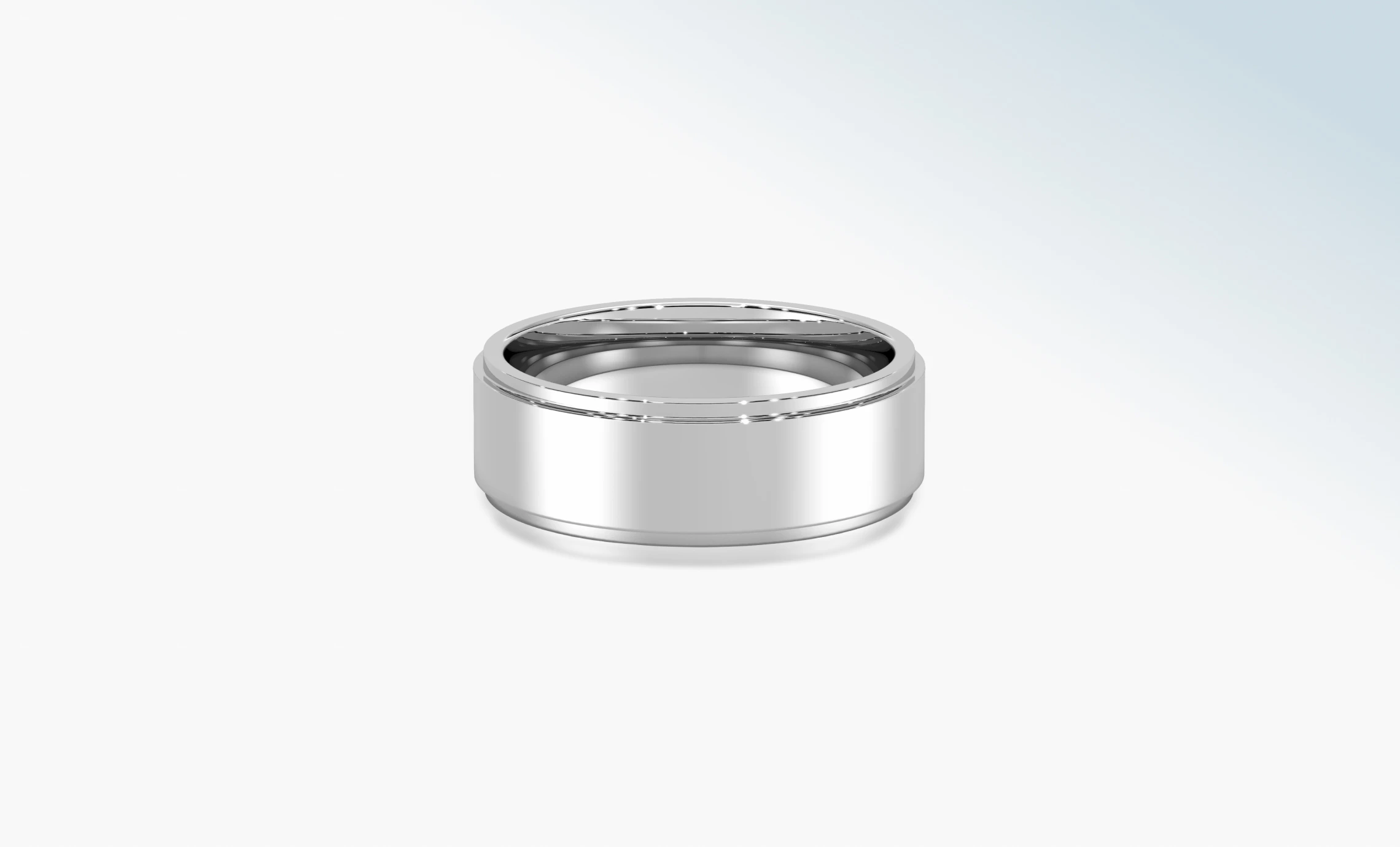
18K white gold is 75 percent pure gold combined with metals selected to create a paler, cooler alloy. Since pure gold is yellow, the natural body color of white gold can retain a subtle warmth or gray cast. The precise tone depends on the alloy recipe.
Many white gold pieces are finished with rhodium, a bright white metal applied in a thin surface layer. Rhodium can create a crisp, highly reflective appearance and provide a consistent finish across the piece. Not every white gold alloy or design is treated identically, so plating should be confirmed in the product details.
Rhodium plating wears gradually, especially on areas exposed to friction such as the underside of a ring. When the warmer base tone becomes visible, professional replating can renew the bright white surface. The timing varies with wear habits, ring design, skin chemistry, and finish.
White gold offers a lighter feel than a comparable platinum piece and can create a similar cool-colored presentation at a different material profile. The two metals should not be considered interchangeable, however. Their density, surface behavior, composition, maintenance, and cost can differ.
Alloys, Hallmarks, and Gold Purity
Karat describes the proportion of pure gold in a gold alloy. In the 24-part system, 18K gold contains 18 parts pure gold and six parts other metals. That equals 75 percent gold, which is why an 18K piece may carry an 18K or 750 hallmark.
A hallmark helps identify fineness, but it does not reveal the complete alloy recipe, manufacturing method, or origin of every component. Two pieces with the same fineness mark can differ in color and working characteristics because the remaining metals are not necessarily identical.
Terms such as recycled, responsibly sourced, or traceable require clear scope and evidence. They should not be inferred from a hallmark alone. ASAROGA discusses its broader approach to material choices in Sustainability, while the specifications of an individual piece remain the source for its stated metal and fineness.
How Precious Metals Change With Wear
No precious metal remains untouched when worn regularly. Rings encounter desks, door handles, bags, exercise equipment, and other jewelry throughout the day. Fine scratches and small changes in finish are expected signs of contact, not automatic evidence of poor quality.
High-polish surfaces reveal marks differently from satin, matte, sandblasted, or textured finishes. Broad bands can make surface changes more visible because they present a larger uninterrupted area. Pavé, engraved details, and sharp edges require different refinishing techniques from a plain polished band.
Remove fine jewelry before activities that involve impact, abrasive surfaces, harsh chemicals, or heavy gripping. Store pieces separately, clean them according to their stones and construction, and arrange periodic professional inspection for prongs, settings, and heavily worn areas. Refinishing should be considered deliberately rather than performed more often than necessary.
Skin Sensitivity and Metal Allergies
Sensitivity is usually connected to a particular alloying metal rather than to color alone. White gold, yellow gold, rose gold, and platinum can each be produced with different companion metals, so a broad label does not guarantee that a piece is suitable for every wearer.
Anyone with a known nickel, copper, or other metal sensitivity should request the available alloy information before ordering. Rhodium plating can separate the skin from the underlying white gold temporarily, but it should not be treated as a permanent solution to a confirmed allergy because plating wears.
Moisture, soap, trapped debris, and an overly tight fit can also irritate skin beneath a ring. Persistent symptoms should be assessed by a qualified healthcare professional. Jewelry guidance cannot diagnose the cause of a reaction.
How to Choose the Right Jewelry Metal
Begin with color and how it feels against the wearer’s skin, wardrobe, and existing jewelry. Then compare weight, maintenance, finish, allergy considerations, and the complete design. The same center diamond can feel dramatically different in platinum, yellow gold, rose gold, or white gold.
For an engagement ring, consider the metal of the head and prongs as well as the band. A white metal can create a visually continuous frame around a colorless diamond, while yellow or rose gold can add warmth and contrast. Metal does not change a diamond’s laboratory color grade, but surrounding reflections can influence its appearance.
Plan the wedding band at the same time whenever possible. Matching alloys can simplify color coordination, while an intentional mixed-metal pairing can create contrast. Band width, profile, and setting height affect comfort and compatibility just as much as metal choice. Compare these structures in the Engagement Ring Style Guide.
There is no universal best metal. The right choice is the one whose appearance, physical character, care needs, and construction support the way the piece will actually be worn. Explore engagement rings and wedding bands, or consult ASAROGA for the exact specifications of a design.