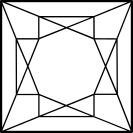
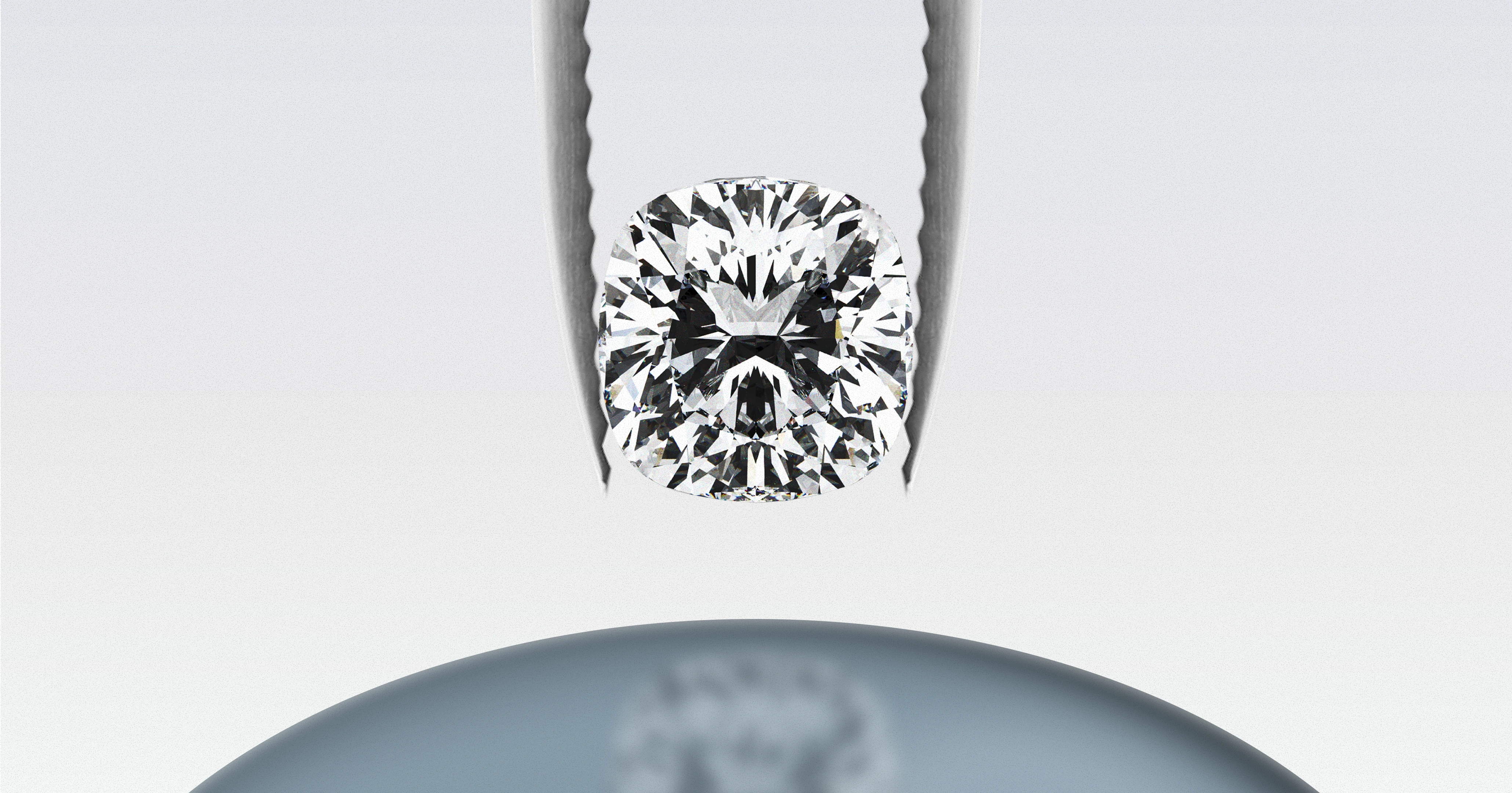
Cushion-cut diamond held in tweezers above a reflective surface

THE 4CS OF DIAMONDS

Learn how diamond cut, color, clarity, and carat work together, how grading affects beauty and value, and how to choose the right balance for you.

Understanding the 4Cs

The 4Cs are the shared language used to describe a diamond: cut, color, clarity, and carat weight. Together, they help explain why two diamonds that appear similar at first glance can look different, perform differently in light, and carry different values.
Each C measures a separate quality. Cut describes how effectively a diamond's proportions and facets return light. Color grades the presence or absence of body color. Clarity considers natural internal features and surface characteristics. Carat measures weight, not beauty or quality.
The 4Cs are most useful when viewed together. A larger diamond is not automatically more beautiful, and a technically higher grade in every category is not always necessary. The right diamond is the one whose qualities create the appearance, scale, and value that matter most to you.

Cut: The Source of Brilliance

Cut has the greatest influence on how a diamond interacts with light. When its angles, proportions, symmetry, and polish work together, light enters the stone, reflects through its facets, and returns to the eye as brightness, fire, and sparkle.
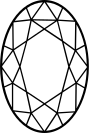
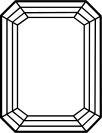
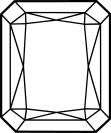
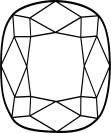
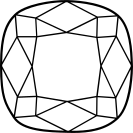
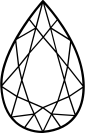
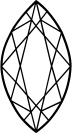
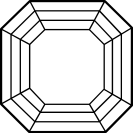
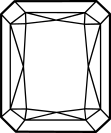
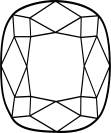
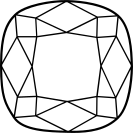
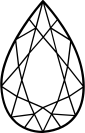
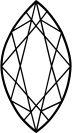
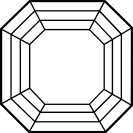
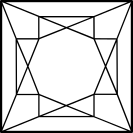
Cut is different from shape. Round, oval, cushion, emerald, pear, and radiant describe a diamond's outline and faceting style. Cut quality describes how successfully those facets work. A beautifully cut diamond can appear lively across a room, while a poorly proportioned stone may look dark or muted even if its color and clarity grades are high.
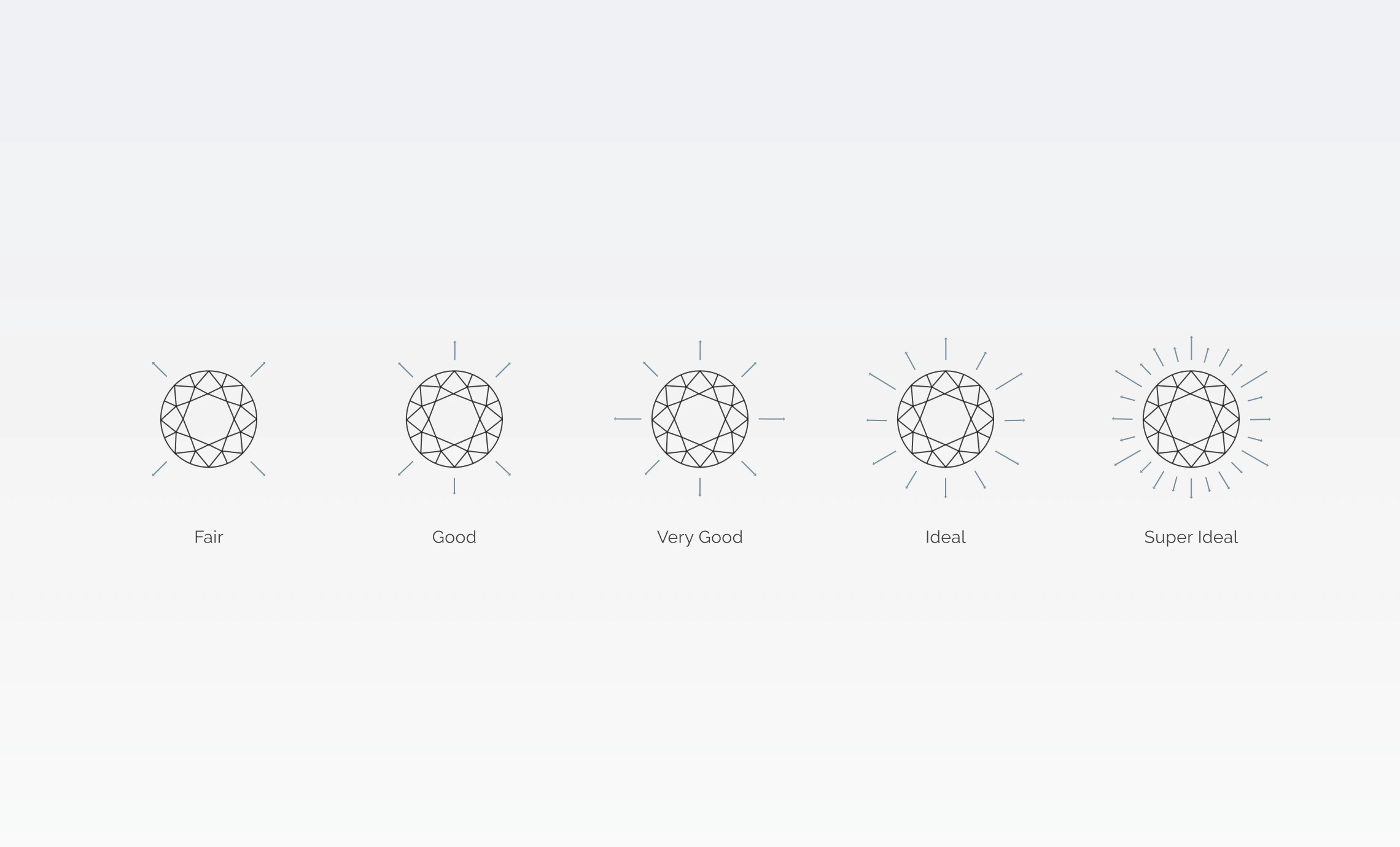
Grading language varies between laboratories and sellers. Terms such as Excellent, Ideal, and Super Ideal are not interchangeable universal standards, especially across different diamond shapes. The proportions, light performance, and actual appearance of the individual stone should support the label being used.
For buyers balancing the 4Cs, cut is often the quality worth protecting first. Strong light performance can make a diamond appear brighter, more defined, and visually compelling without requiring the highest possible grade in every other category.
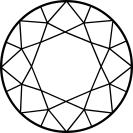
Diagram comparing diamond cut quality from fair to super ideal

Color: Finding the Right Tone

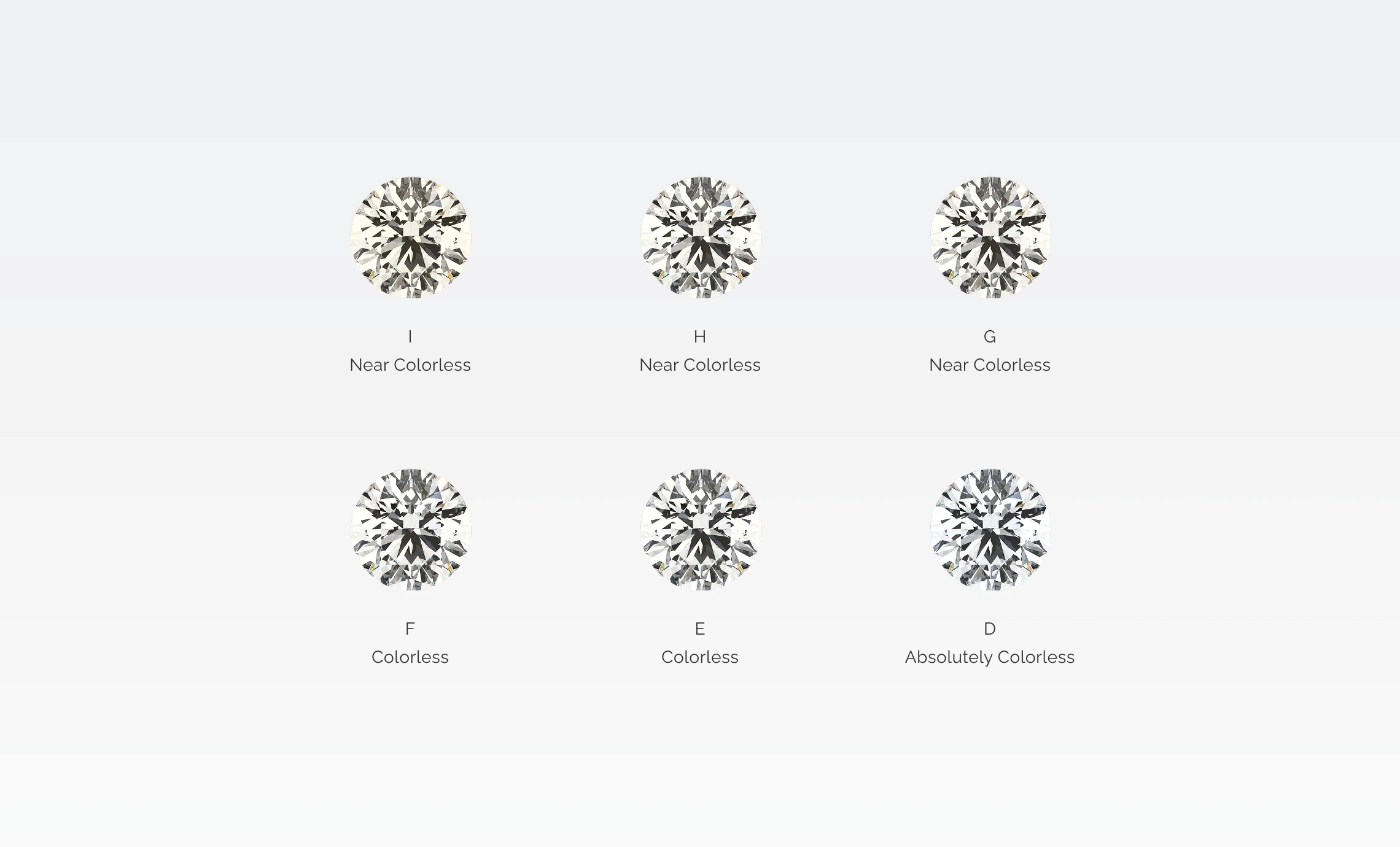
Diamond color grading measures how little body color a white diamond shows under controlled conditions. The widely used D to Z scale begins with D, representing an exceptionally colorless appearance, and moves toward increasingly noticeable warmth.
D, E, and F are considered colorless grades. G, H, I, and J fall within the near colorless range. Differences between neighboring grades can be subtle, particularly once a diamond is set and viewed outside a grading environment.
The best color choice depends on the full design. Yellow or rose gold can complement gentle warmth, while white gold may make color more noticeable in some stones. Shape, size, setting style, surrounding diamonds, and personal sensitivity to color all influence what the eye sees.
Many buyers find excellent value in a near colorless diamond that faces up beautifully. A higher grade is not automatically the better choice if the visible difference is minimal. The goal is to select a tone that looks harmonious in the jewelry and pleasing to the person who will wear it.
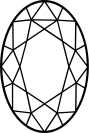
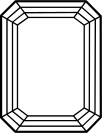
Diamond color comparison showing grades from I to D

Clarity: Nature Under Magnification

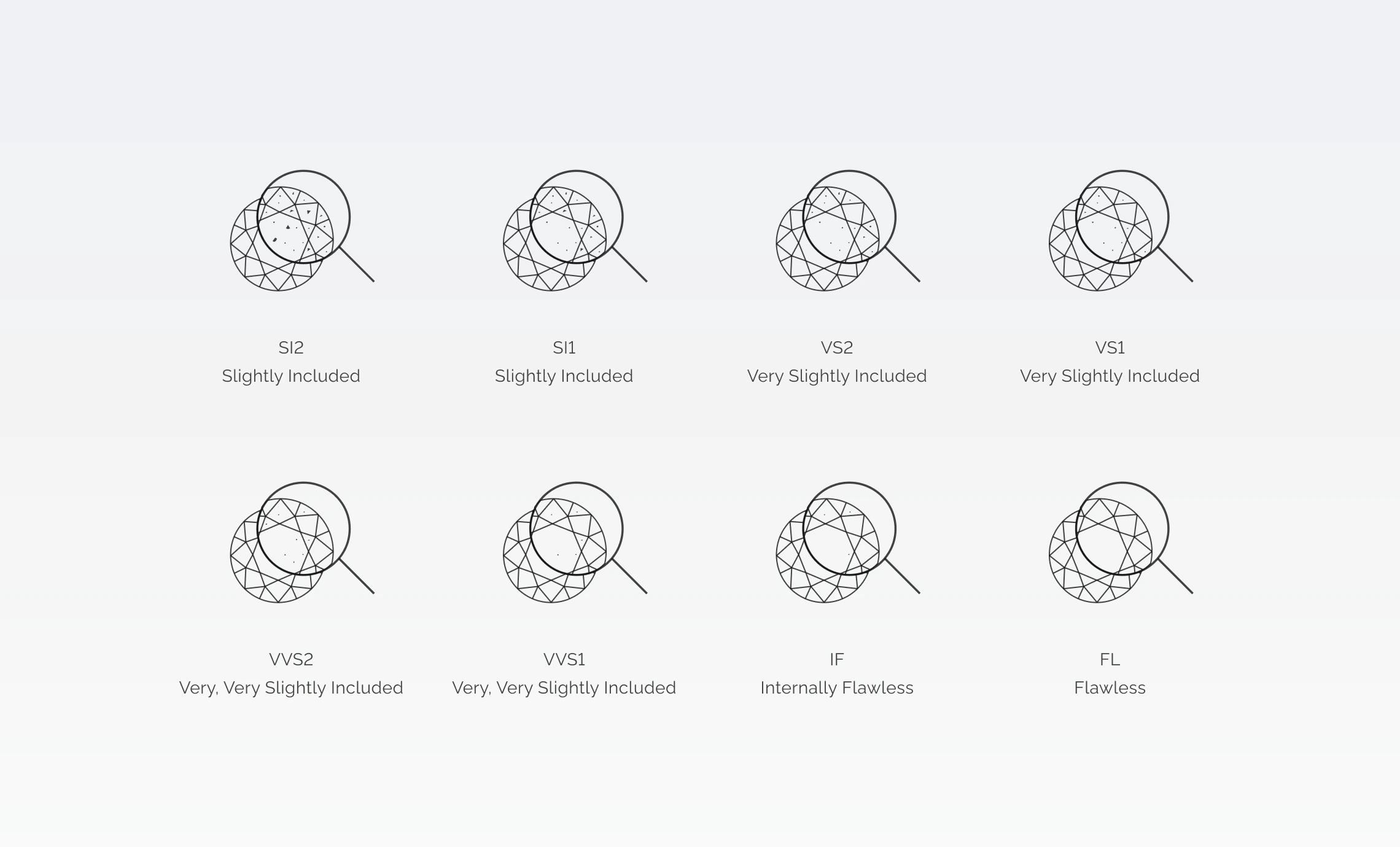
Clarity describes the natural features found within a diamond and the characteristics present on its surface. Internal features are called inclusions, while external features are called blemishes. Their size, number, position, nature, and visibility help determine the clarity grade.
The clarity scale ranges from Flawless and Internally Flawless through VVS, VS, SI, and Included grades. These assessments are made under magnification, which means a characteristic that affects a laboratory grade may still be difficult or impossible to see with the unaided eye.
An eye-clean diamond has no inclusions that are readily visible without magnification under normal viewing conditions. This is a visual description, not an official clarity grade. Two diamonds with the same grade can look different because an inclusion near the center may be more noticeable than one concealed near an edge or beneath a prong.
Clarity offers an opportunity to spend with precision. Rather than paying only for rarity on a report, consider whether the characteristics affect beauty, transparency, or durability. A carefully selected VS or SI diamond can appear beautifully clean while allowing more of the budget to support cut or size.
Diamond clarity scale from slightly included to flawless

Carat: Weight, Size, and Presence

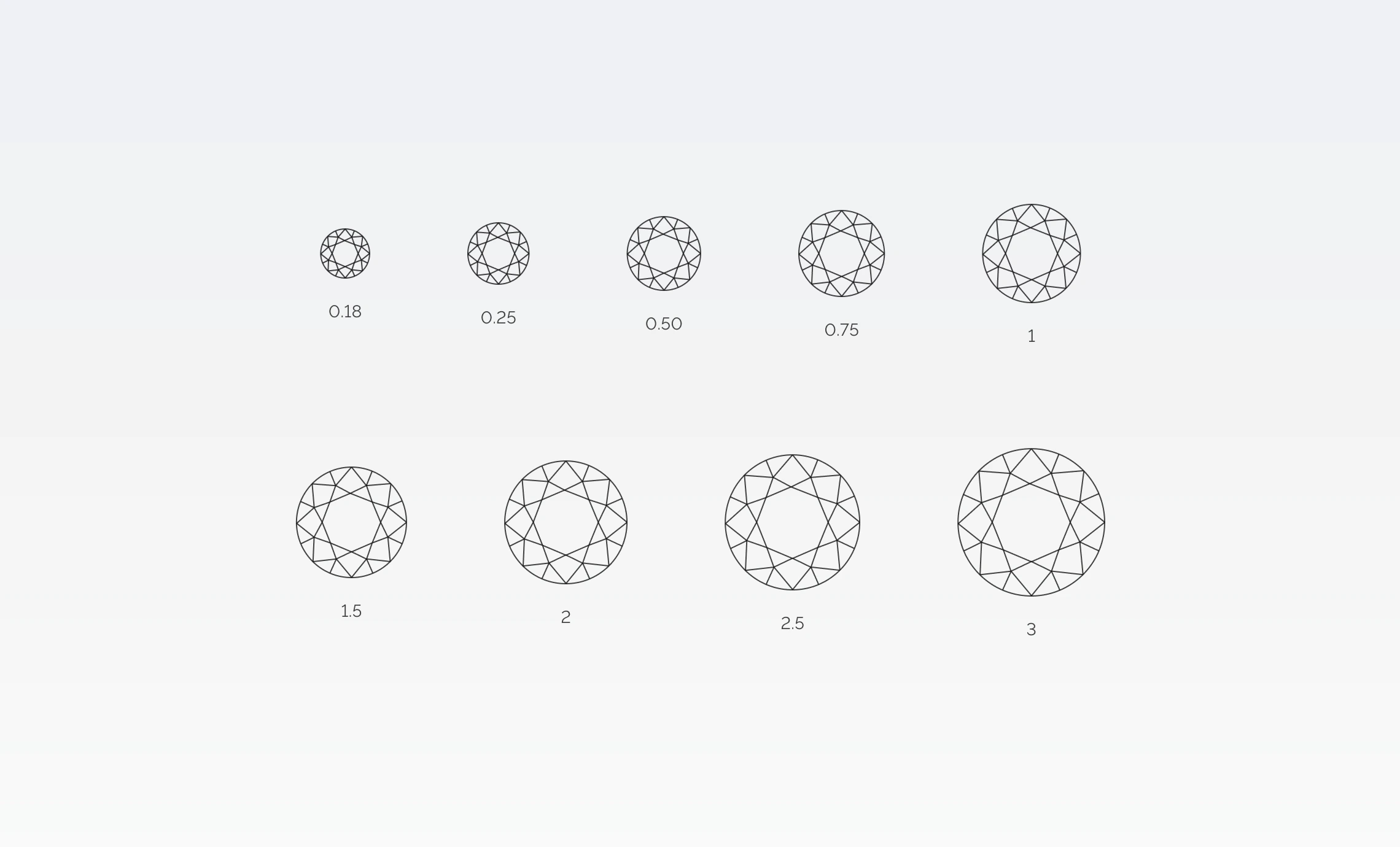
Carat is a measure of weight. One carat equals 200 milligrams and is divided into 100 points. Because it measures weight rather than dimensions, two diamonds with the same carat grade can have different visible sizes.
Shape and proportions influence how large a diamond appears from above. An elongated oval, pear, marquise, or radiant may spread its weight across a larger surface area than a deeper stone of equal carat weight. A diamond that carries excess depth can hide weight below the setting where it contributes little to visible presence.
Prices often rise noticeably at popular milestones such as one, one and a half, and two carats. Choosing just below a milestone can sometimes offer a similar face-up appearance at a more considered value, provided the cut and proportions remain strong.
Carat should be balanced with the wearer, the setting, and the desired feeling of the piece. Presence is not created by weight alone. A well-proportioned diamond in a thoughtfully scaled design can feel more impressive than a heavier stone whose other qualities have been compromised.
Round diamond size comparison from 0.18 to 3 carats

How to Balance the 4Cs

There is no single perfect combination of the 4Cs. The strongest choice begins by deciding what your eye notices first. Some people respond most to sparkle, some prefer a larger face-up size, and others value exceptionally high color or clarity. Your priorities should guide where the budget is concentrated.
Begin with cut and overall light performance, then view color and clarity in the context of the chosen shape and setting. Decide whether a diamond looks clean to your eye and whether its tone complements the metal. Finally, consider carat alongside actual measurements so weight translates into the presence you expect.
A grading report is an important reference, but reporting language depends on the laboratory and diamond origin. Since October 1, 2025, GIA has used Premium or Standard quality assessments for eligible D-to-Z laboratory-grown diamonds instead of the color and clarity nomenclature it applies to natural diamonds. Other laboratories may use different systems, so read the current report rather than assuming every laboratory presents the 4Cs identically.
The purpose of diamond education is not to make every grade higher. It is to make every decision clearer. When the 4Cs are understood together, you can move beyond numbers and choose a diamond for the beauty you can see, the qualities you value, and the piece you want to live with for years.
Next, compare diamond shapes, learn how to read diamond grading reports, or review lab-grown and natural diamonds before exploring available diamonds.